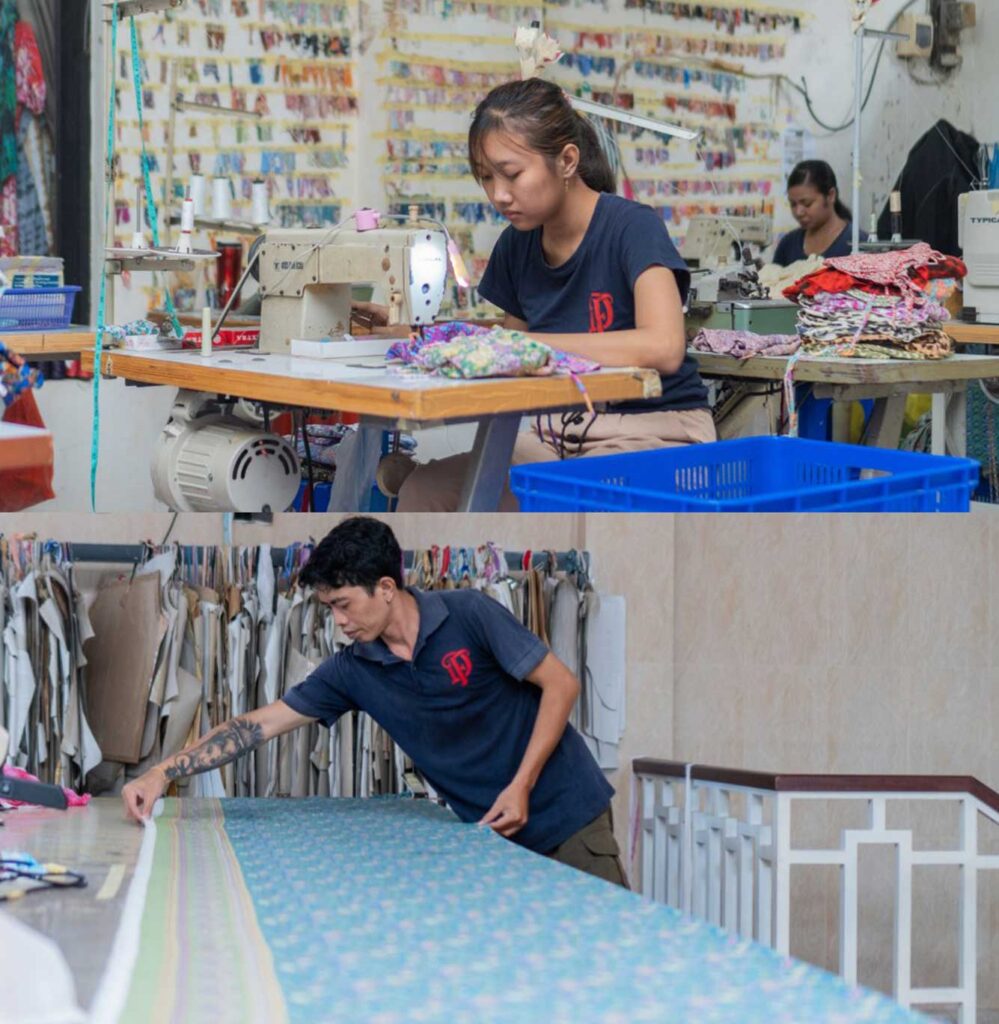
Starting your own fashion brand can feel exciting and overwhelming at the same time. You may have ideas, inspirations, and even designs in mind, but still feel unsure about where to begin.
Many aspiring brand owners believe they need large capital, a big team, or years of experience before starting. In reality, most successful fashion brands begin small. What matters is not how big you start, but how intentionally you build each step.
This practical guide is written for small fashion brands and first-time founders who want to start realistically, avoid common mistakes, and grow their brand with confidence.
1. Understanding What “Starting from Zero” Really Means
Starting from zero does not mean starting without value. It simply means starting with limited resources and learning along the way.
For many small fashion brands, “zero” often looks like:
- Limited capital
- Small or solo teams
- No production experience
- Uncertainty about materials, sizing, or manufacturing
This phase is completely normal. In fact, it is where most brands should begin. Understanding your current limitations helps you make smarter decisions and reduce unnecessary risks.
2. Common Mistakes New Fashion Brands Make
Many fashion brands fail not because of lack of creativity, but because of early production mistakes.
Some of the most common ones include:
- Spending too much time on logos and branding before the product is ready
- Producing large quantities without testing the market
- Choosing fabrics without understanding their behavior and durability
- Working with manufacturers who lack transparency or flexibility
These mistakes are often caused by limited guidance, not carelessness. Learning the production process early can save both time and money in the long run.
3. Defining Your Product Before You Produce Anything
Before contacting a manufacturer or sourcing fabrics, it’s important to clearly define your product.
Ask yourself:
- What type of product are you creating? (dresses, tops, kidswear, etc.)
- Who is your target market?
- What style best represents your brand?
- What materials suit both your design and your customer?
You don’t need all the answers immediately, but having a clear starting point will help manufacturers understand your vision and give more accurate guidance.
4. Choosing the Right Production Approach
One of the most important decisions you will make is how you produce your first collection.
Common production options include:
- Ready stock production
- Made-to-order (MTO) production
- Large MOQ manufacturing
For small brands, producing large quantities at the beginning often comes with high risk. Unsold stock, cash flow issues, and limited flexibility can slow down growth.
Starting with smaller batches or made-to-order production allows you to test designs, gather feedback, and improve without overcommitting resources.
5. Working with the Right Manufacturing Partner
Your manufacturing partner plays a critical role in your brand’s journey. Beyond production, they should help you understand the process.
A good manufacturing partner offers:
- Clear communication
- Transparent workflow
- Flexibility for small brands
- Guidance on materials and production planning
Rather than simply fulfilling orders, the right partner supports your growth and helps you make informed decisions.
6. Starting Small and Growing Sustainably
Starting small is not a weakness, it is a strategy. By producing in smaller quantities, you can:
- Test the market more effectively
- Improve designs based on real feedback
- Manage cash flow better
- Build a stronger foundation
Growth does not need to be rushed. Sustainable brands are built step by step, with patience and intention.
Conclusion
Starting a fashion brand is rarely about getting everything right from the beginning. More often, it’s about taking the time to understand the process, making thoughtful decisions, and allowing the brand to grow naturally.
For small fashion brands, beginning on a smaller scale creates space to learn about materials, production, and the realities of bringing ideas to life. Growth becomes less about pressure, and more about progress.
At Dani Fashion, we believe meaningful brands are built through patience and shared understanding, where care shapes the process, and growth happens naturally over time.
If you’re at the beginning of your fashion journey and looking for a production partner who understands the needs of small brands, you can explore how Dani Fashion supports flexible and made-to-order production designed to help brands grow at their own pace.